

What is restorative dentistry?
Restorative dentistry includes treatments designed to repair damaged teeth and restore their function.
Some of the most common restorative procedures include fillings, dental crowns, and bridges. These treatments are used when something has affected the health or function of a tooth.
For example, restorative dentistry may be needed to treat a cavity, repair a cracked or broken tooth, or restore a tooth that has been damaged by decay or injury.The goal is to help restore the tooth so you can chew, speak, and smile comfortably again.
What is the difference between cosmetic dentistry and restorative dentistry?
Restorative dentistry focuses on repairing teeth and restoring their function when something is wrong.
Cosmetic dentistry, on the other hand, focuses on enhancing the appearance of your smile. Treatments such as veneers, smile makeovers, and smile design are typically considered cosmetic procedures.
While some treatments may provide both functional and cosmetic benefits, restorative dentistry is primarily concerned with improving oral health and function, while cosmetic dentistry is focused on aesthetics.
When is restorative dentistry needed?
Restorative dentistry is often recommended when a tooth has been affected by decay, damage, wear, or infection.
During a comprehensive dental examination at Affinity Smiles, we evaluate your teeth for cavities, cracks, broken teeth, pain, and other concerns that may affect your oral health. If we identify a problem, we will develop a treatment plan tailored to your specific needs. Those treatment recommendations often fall under the category of restorative dentistry.
What materials are used in restorative dentistry?
The materials used depend on the type of treatment being performed and the needs of the individual patient.
For dental fillings, a tooth-colored composite resin material is commonly used. For dental crowns, strong ceramic materials are often selected to provide durability and a natural appearance.
The choice of material is based on the size of the problem being treated, the location of the tooth, and what will provide the best long-term result for your smile.
How can restorative dentistry prevent more serious dental problems?
One of the biggest benefits of restorative dentistry is that it allows us to address problems before they become larger, more painful, and more expensive to treat.
When we identify issues such as cavities, cracks, or damaged teeth early, we can often repair them before they progress into dental emergencies.
Early treatment helps protect the tooth, preserve your oral health, and reduce the likelihood of needing more extensive procedures in the future.
What is recovery like after restorative dental treatment?
For most restorative dental procedures, recovery is typically smooth, comfortable, and relatively quick.
In many cases, there is little to no downtime, and most patients can return to their normal daily activities right away without taking time off from work.
One thing I do recommend is that you don't come to your appointment hungry. After treatment, you may remain numb for a few hours, which can make eating a little more challenging.
And trust me, we don't like hangry patients!
Will restorative dentistry procedures hurt?
For most restorative procedures, we do not expect patients to experience discomfort during treatment. At Affinity Smiles, we make sure you are properly numb before beginning any procedure so you can remain comfortable throughout your appointment.
We also offer additional comfort amenities, such as noise-canceling headphones, entertainment options, and cozy blankets to help you relax while we work. Our goal is to make your experience as comfortable and stress-free as possible!
If you’re ready to schedule an exam or would like to learn more about our services, we’d love to hear from you. Call us at (847) 780-2114 or email [email protected]. We look forward to caring for your smile.
Keep your smile feeling and functioning at its absolute best with restorative dentistry. From simple procedures like dental fillings, to more complex solutions like dental prosthetics and root canal therapy, restorative dentistry aims to revitalize decayed or damaged teeth. With our comprehensive restorative care, you can take back your overall oral health so you can eat, laugh, and smile with confidence.

Dental Fillings
Dental fillings are a common, effective solution for restoring teeth affected by cavities, mild fractures, or wear. At Affinity Smiles in Skokie, IL, Dr. Mansi Raina and her team use advanced materials and techniques to provide durable, natural-looking fillings that blend seamlessly with your smile. Whether you're dealing with a new cavity or replacing an old filling, the goal is always the same: to restore function, comfort, and confidence.
Dental Crowns
Whether due to injury, large fillings, or after root canal therapy, crowns act as protective caps that completely encase the affected tooth, extending its life while maintaining functionality. Dr. Mansi Raina and her team take a personalized and transparent approach to each crown treatment, ensuring it aligns with your dental goals, lifestyle, and budget.
Dental Bridges
Dental bridges are a trusted, long-term solution for replacing one or more missing teeth. At Affinity Smiles, Dr. Mansi Raina offers custom-made dental bridges designed to restore natural function and harmony to your smile.
Dental bridges consist of one or more prosthetic teeth that are anchored in place by crowned neighboring teeth or dental implants, filling in the gaps left by missing teeth and helping maintain a natural facial structure.
Full-Mouth Rehabilitation
If you've suffered from severe dental trauma, have lost many teeth, or are dealing with a variety of dental difficulties, full-mouth rehabilitation may be right for you. Throughout a variety of treatments and procedures planned out by your dentist, full-mouth rehabilitation can completely restore your overall health and boost your confidence.
Partial Dentures
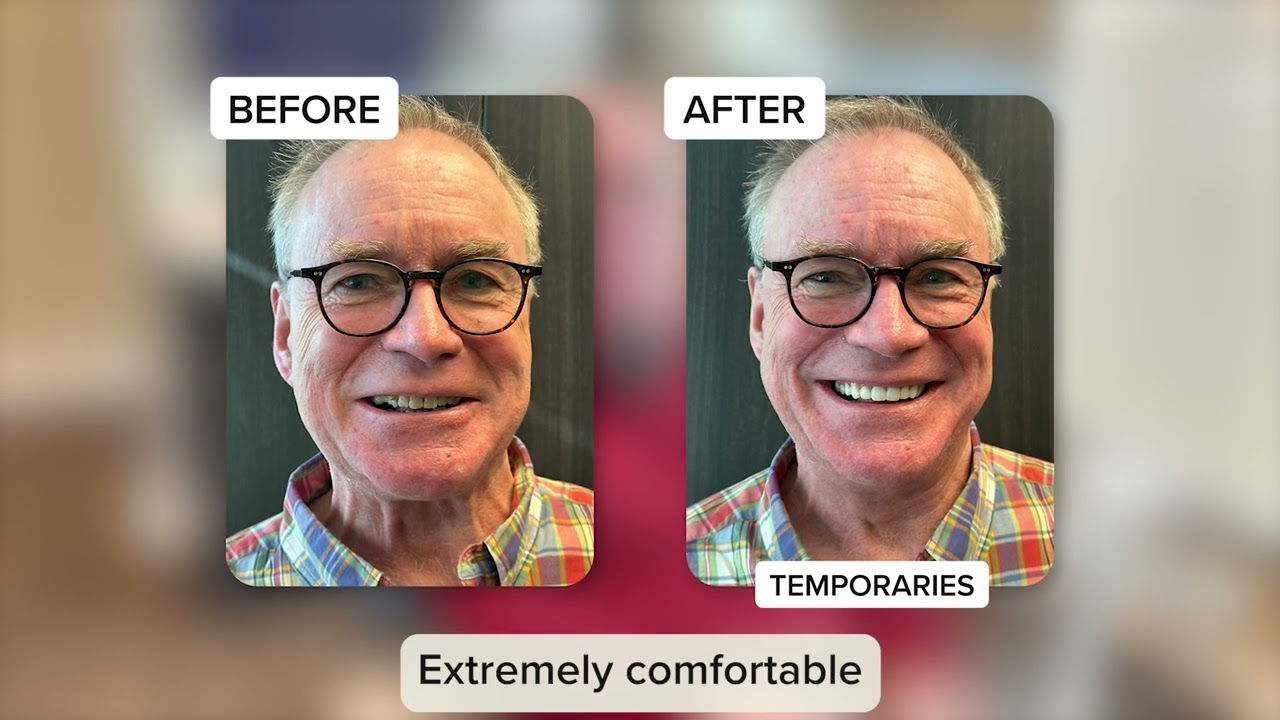
Missing just a few teeth? Partial dentures may be the right choice for you. Partial dentures look natural, are removable, and can be a great solution to restoring the function of your teeth and jaw. Make the first step in restoring your smile by booking a consultation.
Tooth Extractions
Extractions are always a last resort because preserving your smile is our top priority. However, sometimes a problematic tooth causes more harm than good. In these cases, your dentist may recommend an extraction to restore your oral health. Using gentle techniques and local anesthesia, decayed or damaged teeth can be safely removed to relieve discomfort or make space for dental implants, a bridge, or another type of tooth replacement.
Wisdom Teeth Removal
Wisdom teeth are the last molars to come into the mouth, usually in the teen years. Often, due to their positioning and lack of space in the mouth, wisdom teeth can cause teeth shifting, infections, and other serious issues. Our doctors are trained to assess your wisdom teeth and extract them safely and comfortably when it is necessary.
Dental Implants
Transform your smile and your life with dental implants that look, feel, and function just like natural teeth. Imagine rediscovering simple joys—biting into a crisp apple, laughing freely with friends, or speaking confidently in any situation—all without giving your teeth a second thought. Our expert team combines compassionate care with advanced technology to ensure your implant journey is comfortable and rewarding. No more compromising or hiding your smile; dental implants provide a permanent solution that seamlessly integrates with your remaining teeth, giving you back the complete, confident smile you deserve.
Implant-Retained Dentures
Tired of your dentures slipping and sliding around in your mouth? Implant-retained dentures, also called overdentures or snap-on dentures, can replace all of your teeth, just like traditional dentures. However, instead of relying on suction or adhesive, they are secured in place with several dental implants. These removable appliances make it easy to keep up with your oral hygiene, and are made from a combination of acrylic and metal materials for enhanced durability.
Bone Grafting
Waiting to replace a missing tooth can cause serious consequences. Soon after you lose a tooth, bone begins to shrink, making it difficult to place dental implants properly. Bone grafting, also known as socket preservation, increases bone density so that you can restore your smile with dental implants. Having strong bone density is required for placing an implant as it needs to have a strong foundation for the restoration. Bone grafting is one of the first steps in widening your tooth replacement choices. Get in touch to learn more about how we can restore your smile.
Ridge Augmentation
After losing a tooth, you may experience jaw bone loss if left untreated. That's why your doctor may recommend ridge augmentation after tooth loss, an extraction, or before getting dental implants. Ridge augmentation recreates the natural contour of the gums and jaw bone to restore its previous function and form. Not only that, but it avoids the need for extra surgery after an extraction. Ridge augmentation is a necessary procedure so that you can keep the natural function and look of your smile.

Ready To Experience The Affinity Smiles Difference?
Schedule your first visit today and discover dental care that combines clinical excellence with genuine compassion. Whether you're seeking preventative care, cosmetic enhancements, or restorative solutions, we're here to help you achieve your healthiest, most confident smile.